• :
  • :

ΜΗΝΥΜΑΤΑ “ΚΑΛΩΣ ΗΡΑΘΤΕ” ———————————–

Welcome msg EN

Welcome to Bee Museum Rhodes!

ΠΛΑΓΙΑ ΜΕΝΟΥ: ΑΡΧΙΚΗ ———————————————

ΠΛΑΓΙΑ ΜΕΝΟΥ: ΣΤΑΘΜΟΣ 1 ————————————–

Side menu: 1-ιστορία-EN


1. World
2. Greece
3. Kamiros-Agathonisi

ΠΛΑΓΙΑ ΜΕΝΟΥ: ΣΤΑΘΜΟΣ 2 ————————————–

ΠΛΑΓΙΑ ΜΕΝΟΥ: ΣΤΑΘΜΟΣ 3 ————————————–

ΠΛΑΓΙΑ ΜΕΝΟΥ: ΣΤΑΘΜΟΣ 4 ————————————–

ΚΟΥΜΠΙΑ “ΕΡΩΤΗΜΑΤΟΛΟΓΙΟ” ———————————-

“Ερωτηματολόγιο” – ΕΝ

ΚΟΥΜΠΙΑ ΕΡΩΤΗΜΑΤΟΛΟΓΙΩΝ “ΕΠΙΣΤΡΟΦΗ”————-

ΑΛΛΑΓΗ ΑΝΤΙΘΕΣΗΣ ————————————————–

Αντίθεση – EN

QR CODES ——————————————————————-

QR – EN

Visit Bee Museum website!

CREDITS ———————————————————————-

Credits – EN

Developed by
Infoscope Hellas

World

Back

Later Mesolithic cave drawing near the waterfall at Rajat Prapat of central India, depicting Apis Dorsata, the giant honey bee species, found in South and Southeast Asia.

Photo: “The world History of Beekeeping and honey hunting”, Eva Crane.

Mesolithic cave painting, at Valencia of Spain, found in “Cuevas de la Arana”, where a honey hunter gathering honey from a wildbees nest on a tree. Dating around 8000 to 6000 BC.

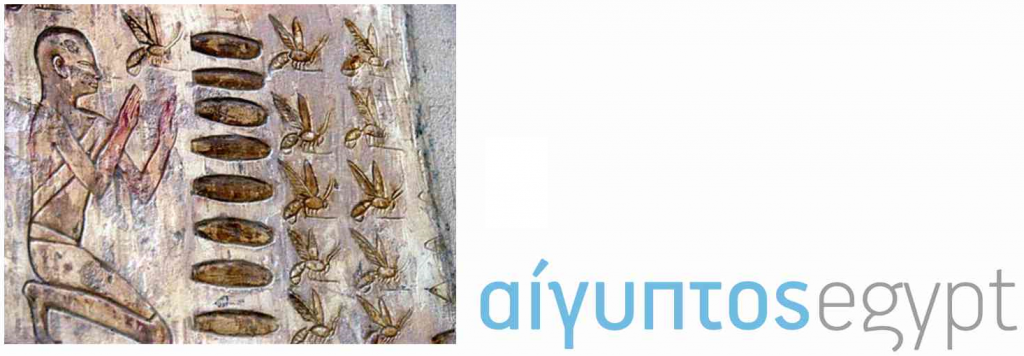
Cylindrical hives from the tomb of Pabasa, made of clay and stacked on top of each other. 7th century BC.

Black figure amphora, dipicting Aristaios, son of God Apollon and protector of Beekeeping, 540 BC, Kassel, Germany, National Art Collection.

Photo: “Lexicon Iconographicum Mythology”, B.F Cook

2-1-%ce%bc%ce%b5%ce%bb%ce%b9%cf%83%cf%83%ce%b1-transparent
2-2-amforeas-1-transparent
2-3-amforeas-2-transparent

Greece

Gold jewel with a pair of bees holding a honeycomb. Superb specimen of Minoan goldsmithing with granulation and filigree technique. Chrysolakkos, Mallia, Crete 1800-1700 BC. The original is in the Heraklion Museum, Greece.

Black figured amphora (copy), dipicting a honey theft scene, from Vulci, Italy, 6th century (540 – 520 BC). The original is in the British Museum, London.


Black figured vase (copy) of unknown origin, dipicting a honey theft scene, 6th century (540 – 520 BC). The original is in the Archeological Museum of Basel, Switzerland.

Back

Kamiros


In ancient Kamiros of Rhodes, archaeologists unearthed gold tiles (1860 AC) with winged female figures with bee body. Presumably they reflect a bee-goddess and maybe Bee-Artemis, protector goddess of nature (7th cent. BC, British Museum, London). Similar charms made of gold were found in the islands Rhodes, Milos and Thira.

Back

Agathonisi


In the most northern island of Dodecanese, Agathonisi, has been found at the fortified harbor of ancient Tragaia, a large ancient apiary, which is dated back to the Hellenistic and early Roman period (3rd Cent. BC – 1st Cent. AD). In the ruins of the ancient apiary were found 10.000 fragments of two types of clay beehives, horizontal and vertical, which all indicate an extremely advanced Beekeeping activity. The findings provide evidence of an Apicultural method, with ring extensions of the horizontal beehives, similar to the modern ones of mobile frames. An extremely interesting hive fragment brings an inscription probably of the word “Kypselion”, the greek word for beehive (photo 3). Also traces of propolis and other organic substances give reliable information about the flora and the gathering of bee products in the island.

Photos and information: Pavlos Triantafyllidis, archeologist