• :
  • :

ΜΗΝΥΜΑΤΑ “ΚΑΛΩΣ ΗΡΑΘΤΕ” ———————————–

Welcome msg EN

Welcome to Bee Museum Rhodes!

ΠΛΑΓΙΑ ΜΕΝΟΥ: ΑΡΧΙΚΗ ———————————————

ΠΛΑΓΙΑ ΜΕΝΟΥ: ΣΤΑΘΜΟΣ 1 ————————————–

Side menu: 1-ΑΡΧΙΚΗ-EN


1. Beekeeping in ancient times
2. Beekeeping in Rhodes
3. Stone apiary - Hives

ΠΛΑΓΙΑ ΜΕΝΟΥ: ΣΤΑΘΜΟΣ 2 ————————————–

ΠΛΑΓΙΑ ΜΕΝΟΥ: ΣΤΑΘΜΟΣ 3 ————————————–

ΠΛΑΓΙΑ ΜΕΝΟΥ: ΣΤΑΘΜΟΣ 4 ————————————–

ΚΟΥΜΠΙΑ “ΕΡΩΤΗΜΑΤΟΛΟΓΙΟ” ———————————-

“Ερωτηματολόγιο” – ΕΝ

ΚΟΥΜΠΙΑ ΕΡΩΤΗΜΑΤΟΛΟΓΙΩΝ “ΕΠΙΣΤΡΟΦΗ”————-

ΑΛΛΑΓΗ ΑΝΤΙΘΕΣΗΣ ————————————————–

Αντίθεση – EN

QR CODES ——————————————————————-

QR – EN

Visit Bee Museum website!

CREDITS ———————————————————————-

Credits – EN

Developed by
Infoscope Hellas

Αρχαιότητα

History: Read more

Beekeeping in ancient times


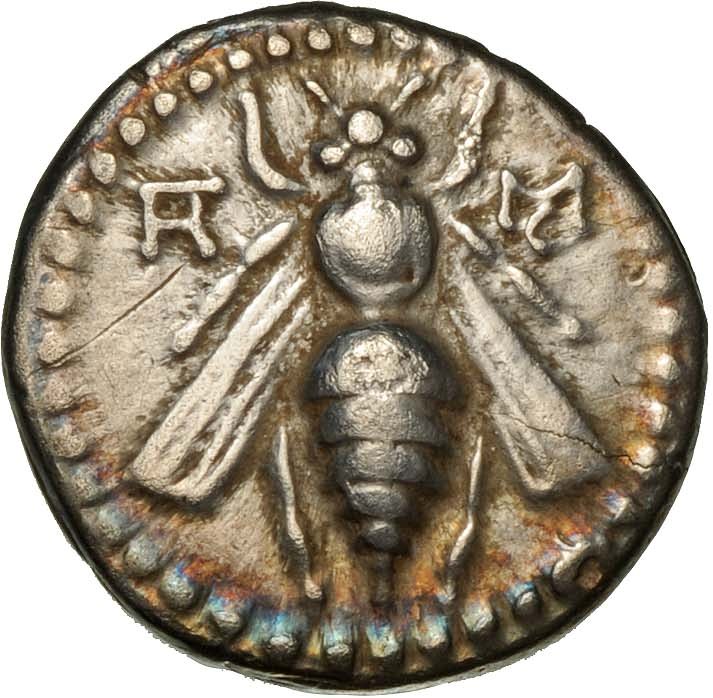
Prehistoric findings provide evidence of apiculture practice and honey exploitation from all around the world. Here however the focus is briefly over the wider Mediterranean region. In this period, it becomes evident that besides being a main form of nourishment, honey also had a prominent position in religious worship, fabrication of medicine, ointments, perfumes, drinks and beverages. Gradually at that stage honey began to be traded among different countries. In Mesopotamia, the area where the first organized societies started to flourish, we have the first recordings (2700 BC) of the pharmaceutical and alimental value of honey. Also in ancient Egypt, the earliest evidence of systematic Apiculture existence have been discovered, including “clusters” of cylindrical clay beehives.

%ce%b3%cf%81%ce%b1%ce%bc%ce%bc%ce%ae-%cf%84%ce%bf%cf%85-%cf%87%cf%81%cf%8c%ce%bd%ce%bf%cf%85-1

Beekeeping in Rhodes

Despite the arduous years of occupation of Rhodes, owing to the tireless efforts as well as keenness of local teachers, clerics or farmers by profession, the beekeeping craft has been practiced incessantly since the Roman times.

Italian occupation - 20th century - Today: Read more

Stone apiary – Hives

6 - ΠΕΤΡΙΝΟ ΜΕΛΙΣΣΟΚΟΜΕΙΟ

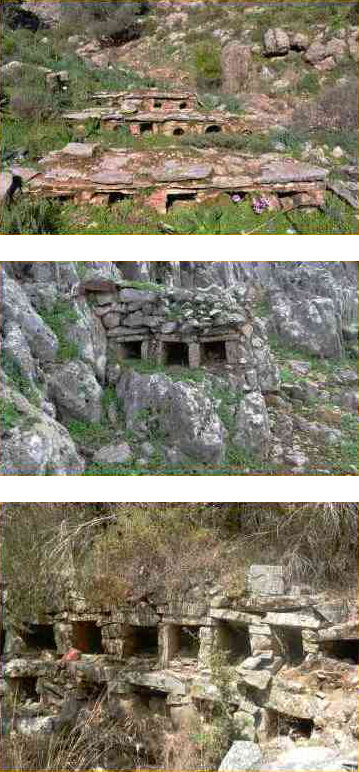
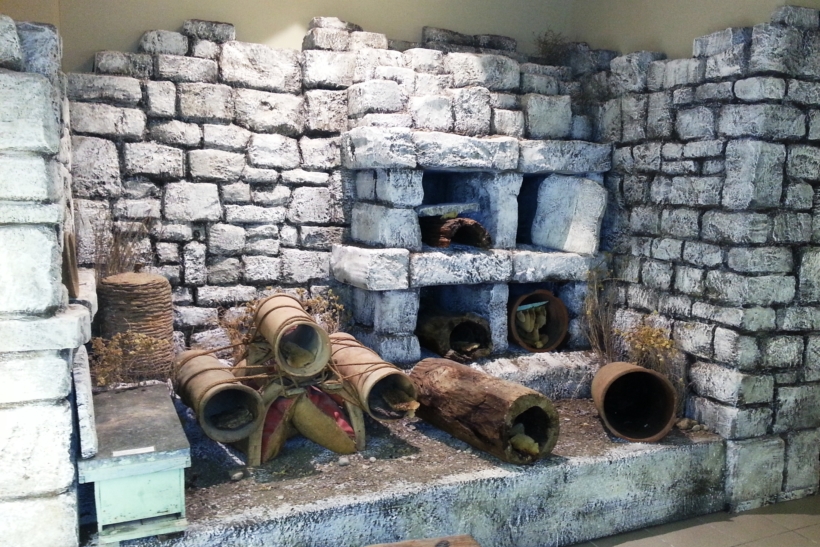
Stone apiary was built near the village of Keramoti, Naxos (Cyclades, Greece) by Melissourgos family around 1650, in a beautiful natural environment full of uncultivated wild plants (e.g. thyme), streams, springs, waterfalls, etc. Beekeepers used to place their cylindrical pottery beehives in self-made stone shelves to protect them from weather conditions (heat, cold, snow), aggressive animals and to make the handling of the apiary easier. The apiary was abandoned around 1950, the bee swarms were transferred into contemporary wooden hives with mobile frames and were passed down to the family heirs who continue the tradition until today. One of them is Nikos Melissourgos (initiator of the museum), who continues the family tradition as a beekeeper in Rhodes.

Hives: Read more