• :
  • :

ΜΗΝΥΜΑΤΑ “ΚΑΛΩΣ ΗΡΑΘΤΕ” ———————————–

Welcome msg EN

Welcome to Bee Museum Rhodes!

ΠΛΑΓΙΑ ΜΕΝΟΥ: ΑΡΧΙΚΗ ———————————————

ΠΛΑΓΙΑ ΜΕΝΟΥ: ΣΤΑΘΜΟΣ 1 ————————————–

ΠΛΑΓΙΑ ΜΕΝΟΥ: ΣΤΑΘΜΟΣ 2 ————————————–

Side menu: 2-ΑΡΧΙΚΗ-EN


1. The honeycombs in the movable frames
2. Beekeeping tools
3. Honey extractor- Historical facts
4. Lorenzo Lorraine Langstroth
5. Bee products (part 1)
6. Bee products (part 2)
7. Did you know...

ΠΛΑΓΙΑ ΜΕΝΟΥ: ΣΤΑΘΜΟΣ 3 ————————————–

ΠΛΑΓΙΑ ΜΕΝΟΥ: ΣΤΑΘΜΟΣ 4 ————————————–

ΚΟΥΜΠΙΑ “ΕΡΩΤΗΜΑΤΟΛΟΓΙΟ” ———————————-

“Ερωτηματολόγιο” – ΕΝ

ΚΟΥΜΠΙΑ ΕΡΩΤΗΜΑΤΟΛΟΓΙΩΝ “ΕΠΙΣΤΡΟΦΗ”————-

ΑΛΛΑΓΗ ΑΝΤΙΘΕΣΗΣ ————————————————–

Αντίθεση – EN

QR CODES ——————————————————————-

QR – EN

Visit Bee Museum website!

CREDITS ———————————————————————-

Credits – EN

Developed by
Infoscope Hellas

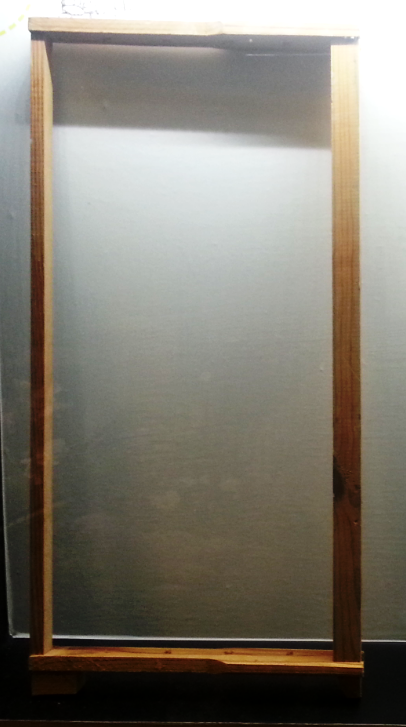
A’ phase

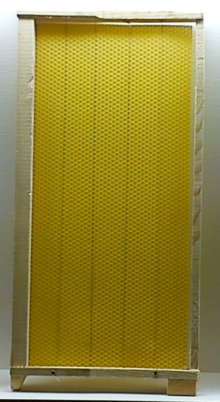
Frame Construction [carpenter]

D’ phase

Building of the honeycomb cells [bees]

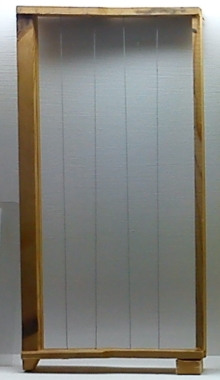
B’ phase

Frame Wiring [beekeeper]

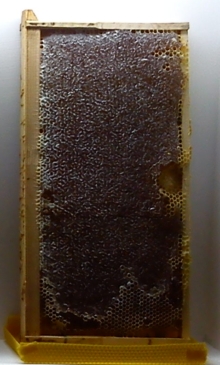
E’ phase

Honeycomb cells filled with honey [bees]

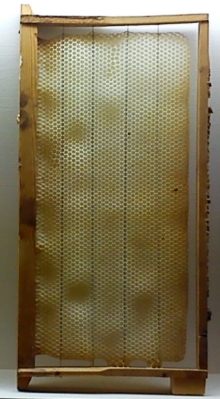
C’ phase

Installation/ placement of the honeycomb foundation sheet [beekeeper]

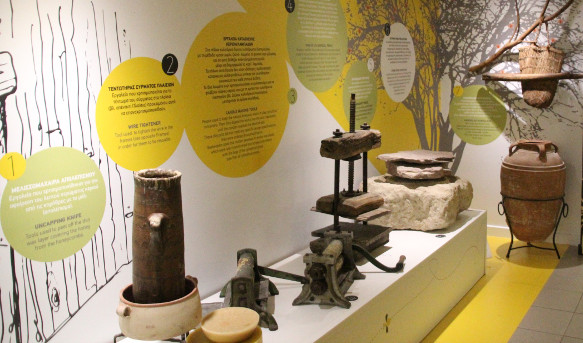
Beekeeping tools

2-%ce%b5%cf%81%ce%b3%ce%b1%ce%bb%ce%b5%ce%b9%ce%b1-%ce%bc%ce%b5%ce%bb%ce%b9%cf%83%cf%83%ce%bf%ce%ba%ce%bf%ce%bc%ce%b9%ce%b1%cf%83-small

Bees collect the nectar from flowers and then they carry it to their hive where they transform it to honey, which is their basic food. They also use the wax produced in their glands to build the honeycomb cells. Beekeepers take care of the bees in order to help them produce enough honey and wax for themselves and for humans. For this kind of work (taking care of the hives, honey and wax extraction, etc.), beekeepers invented various tools.


Tools: Read more

3-1-%ce%b7-%ce%b9%cf%83%cf%84%ce%bf%cf%81%ce%b9%ce%b1-%cf%84%ce%bf%cf%85-%ce%bc%ce%b5%ce%bb%ce%b9%cf%84%ce%bf%ce%b5%ce%be%ce%b1%ce%b3%cf%89%ce%b3%ce%b5%ce%b1-cut

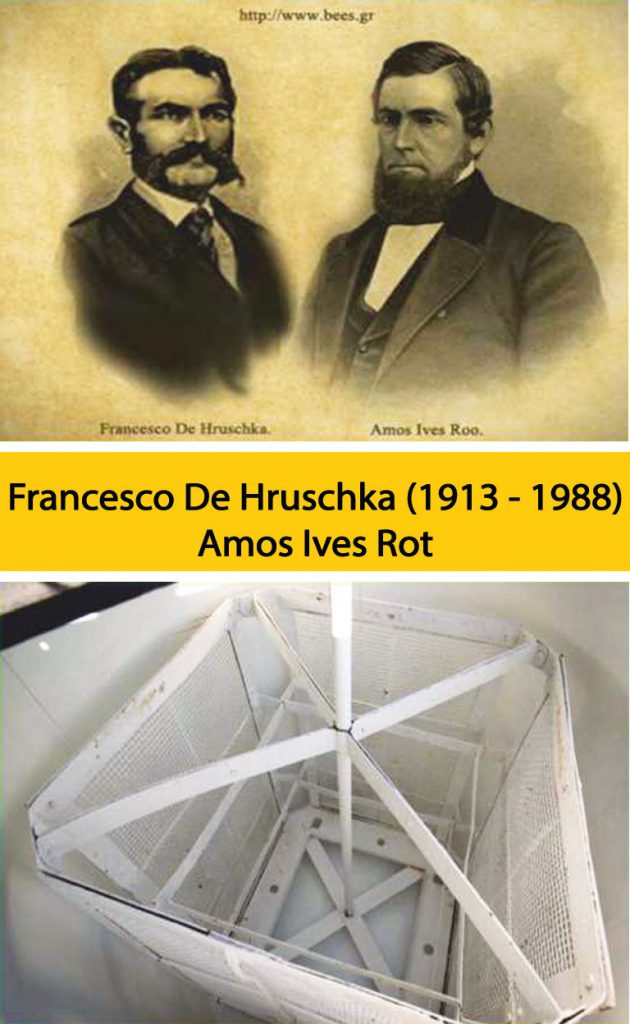
Honey extractor- Historical facts

Francesco De Hruschka ( 1813 – 1888 ), known also as Major Franz von Hruschka due to his service at the Austrian army, owned a successful company in Venice exporting bees and hives in Germany. In a beekeeping conference in Brno, the Czech Republic, 1865, he presented the first centrifugal honey extractor. He is said to have conceived the idea of the application of centrifugation while watching his son playing with a hive and a bucket. The child had tied the bucket and revolved it powerfully round his head making the honey flow from the hive. The device Hruschka made (honey extractor) did not destroy the hives during honey extraction saving time for the beekeepers and making beekeeping more efficient. The new invention was quickly known and soon travelled to America. After its detailed description in the American Journal many Americans were informed and managed to perfect the initial idea.

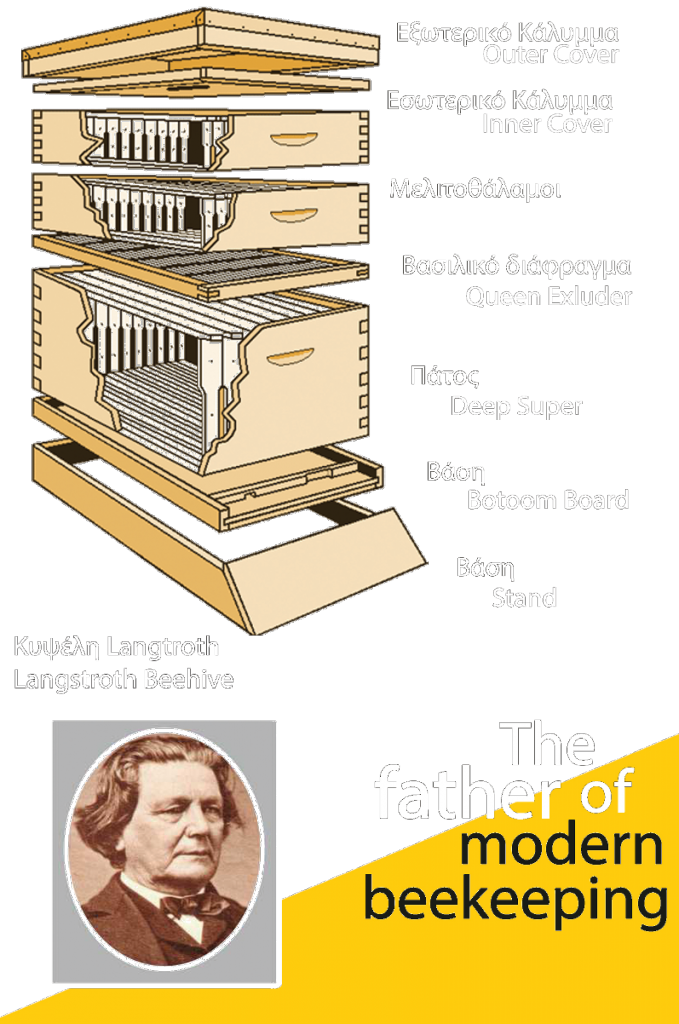
Lorenzo Lorraine Langstroth:

The father of modern beekeeping

No other individual has had more impact in world contemporary practical beekeeping than L.L. Langstroth. In his book, published in May 1853, he described his observation on the space of the bees and analyzed in detail the function of the movable frames. This type of hive is used in many parts of the world today.Pastor Langstroth, born in December 25, 1810, spent most of his childhood playing with ants in the dirt roads of Philadelphia outside his home. He soon became a worshipper of bees and the art of beekeeping. His book “The Art and Science of Beekeeping” had a great impact on beekeepers who started changing their old techniques of handling hives since observing and handling their bees had become much easier.


3-2-langstroth-cut-invert

Bee products (part 1)

Royal Jelly

This creamy substance secreted from the glands in the hypopharynx of worker bees, is the queen bee’s food. Worker bees fill the cells with royal jelly to feed the larvae destined to become queens. The beekeepers collect the royal jelly from these cells.

Read more

Pollen

Bees collect pollen from the flowers, form it into balls and carry it on their rear legs back to the hive. This way they contribute to pollination, that is, the fertilisation of plants.

Read more

Propolis

Propolis is a resinous substance that bees collect from tree trunks. Then, bees enrich it with wax, pollen, enzymes and other substances and use it to seal and disinfect the interior of the cells.

Read more

Bee products (part 2)

Honey

Worker bees use their proboscis to suck nectar from flowers or honeydew from the trees and carry it to the hive, transfer it to other bees, which then store it into the honeycombs. Through this process enzymes are added into nectar from the salivary glands of the bees turning it into honey.

Read more

Beeswax

The wax is formed by worker bees, which secrete it from wax-producing glands and then form the numerous honeycomb cells.

Read more

Venom

The bee venom is produced by the venom glands of the worker bees. The bees use their sting to defend and protect their swarm.

Read more

Did you know that …

5-%ce%b7%ce%be%ce%b5%cf%81%ce%b5%cf%83-%ce%bf%cf%84%ce%b9-cut
Bees have existed on earth for 50 million years and have developed remarkable skills and techniques to survive and perpetuate their kind and life in our planet in general.


Bees have three primitive eyes and two bigger compound eyes on the top of their head, which allow them to have 360 vision.


Honey is a complete food and can be preserved sealed in honeycombs for thousands of years.


It takes 4 kilograms of nectar to make 1 kilogram of honey. Consequently 13.000 bees must travel 177.000 km (the equivalent of four orbits of the earth) to collect it from 3-4 millions of flowers.


A queen bee lays up to 1500-2000 eggs per day, which can equal 2 times its body weight. Hens lay 140 eggs approximately per day.