• :
  • :

ΜΗΝΥΜΑΤΑ “ΚΑΛΩΣ ΗΡΑΘΤΕ” ———————————–

Welcome msg EN

Welcome to Bee Museum Rhodes!

ΠΛΑΓΙΑ ΜΕΝΟΥ: ΑΡΧΙΚΗ ———————————————

ΠΛΑΓΙΑ ΜΕΝΟΥ: ΣΤΑΘΜΟΣ 1 ————————————–

Side menu: 1-κυψέλες-EN


1. What is a beehive?
2. Clay hive - Wooden beehive
3. Straw beehive (skep) - Contemporary beehive
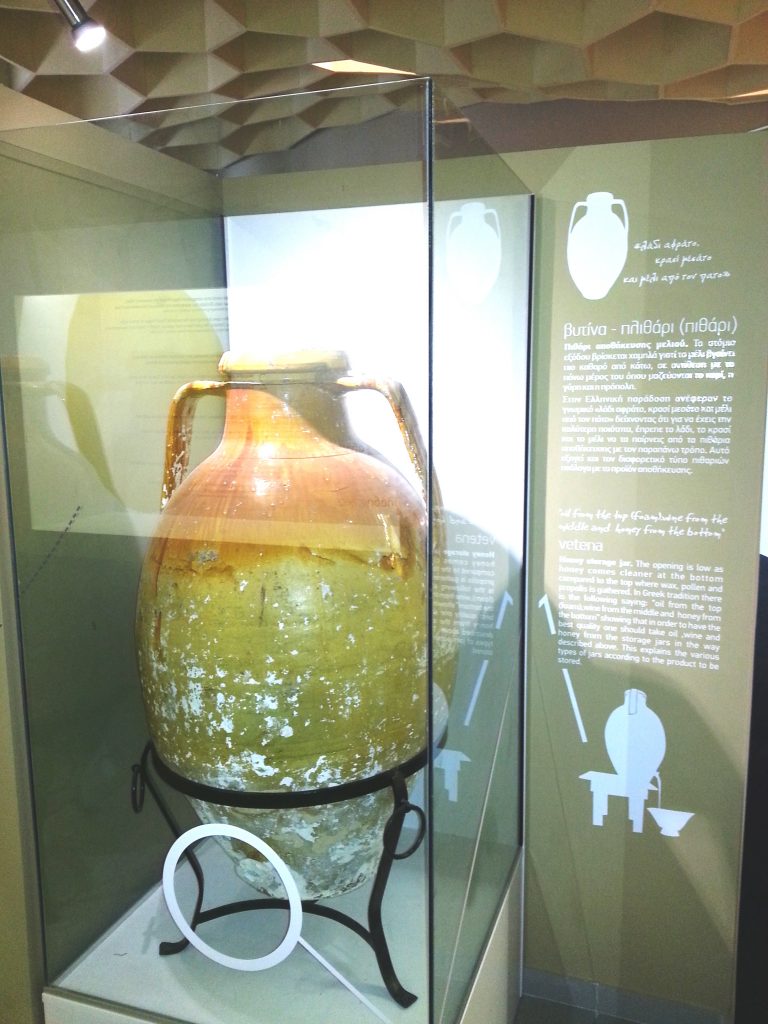
4. Honey storage jar

ΠΛΑΓΙΑ ΜΕΝΟΥ: ΣΤΑΘΜΟΣ 2 ————————————–

ΠΛΑΓΙΑ ΜΕΝΟΥ: ΣΤΑΘΜΟΣ 3 ————————————–

ΠΛΑΓΙΑ ΜΕΝΟΥ: ΣΤΑΘΜΟΣ 4 ————————————–

ΚΟΥΜΠΙΑ “ΕΡΩΤΗΜΑΤΟΛΟΓΙΟ” ———————————-

“Ερωτηματολόγιο” – ΕΝ

ΚΟΥΜΠΙΑ ΕΡΩΤΗΜΑΤΟΛΟΓΙΩΝ “ΕΠΙΣΤΡΟΦΗ”————-

ΑΛΛΑΓΗ ΑΝΤΙΘΕΣΗΣ ————————————————–

Αντίθεση – EN

QR CODES ——————————————————————-

QR – EN

Visit Bee Museum website!

CREDITS ———————————————————————-

Credits – EN

Developed by
Infoscope Hellas

There are 4 types of beehives at the apiary

What is a beehive?


A beehive is the house of the bees. In the past bees used to build their homes in the forests, inside hollows of the trees or in rock cavities. Nowadays beekeepers, who want to help bees and also to be able to move them, make nice wooden beehives for them. In the past these were made out of clay. The bees rest inside the hives at nights. They also raise their baby bees and make honey from the nectar they collect from flowers to feed themselves and also to offer some to the people who take care of them.

Back

Clay hive

The clay hives were used for the placement of bee swarms from BC times until 1950 AD. They were available in two types, those in conical shape, mostly found in Attica, southern Greece and the islands of Cyclades (Greece), and others in tube shape which were mostly found in the islands of the Dodecanese. This structure made the transportation of the hives with animals easier and also the clay was a good insulation material.

Back

Wooden beehive

Made primarily of tree trunks, the wooden beehives were used during the same period that the clay ones were used but mainly in the islands of the Dodecanese. They were less fragile than the clay hives, better insulated but did not last that much.

Straw beehive (skep)

These beehives were made of grass coils and straw, just like baskets, and were covered with mud to ensure insulation. They were used for several years, even after the spread of the European type hive mainly in northern Greece.

Back

Contemporary beehive

These are wooden beehives with mobile frames, invented by the American beekeeper Lorenzo Langstroth (1810-1895) and named after him. Using the honey extractor, honey is extracted from the frames so they can be reused. This reusability aspect together with easy transportation, made this type of beehive a major breakthrough for beekeeping.

Honey storage jar

The opening is low as honey comes cleaner at the bottom compared to the top where wax, pollen and propolis is gathered. In Greek tradition there is the following saying: “oil from the top (foam), wine from the middle and honey from the bottom” showing that in order to have the best quality one should take oil, wine and honey from the storage jars in the way described above. This explains the various types of jars according to the product to be stored.

Back